For years, the property management industry has been dominated by a simple belief: bigger agencies have the advantage.
With larger teams, multiple offices, bigger marketing budgets and extensive property portfolios, they often appear better equipped to deliver exceptional service. It's easy for independent property managers to look at these organisations and assume they're competing on unequal terms. Yet the industry is changing.
Increasingly, landlords are placing less importance on the size of an agency and more importance on the quality of the experience they receive. They want faster responses, better communication, greater transparency and confidence that their properties are being managed properly. In many cases, independent property managers are better positioned to deliver exactly that.
The question is no longer whether smaller firms can compete with larger agencies. The real question is how they can continue to compete as their portfolios grow.
Personal Service Is Becoming More Valuable

One of the greatest strengths of an independent property management business is its ability to build genuine relationships.
Unlike larger organisations where clients may interact with several departments before finding the right person, independent firms often provide direct access to the people actually managing the property.
Landlords appreciate speaking with someone who understands their portfolio without having to revisit previous conversations. Tenants value dealing with familiar people who respond quickly and take ownership of problems. Contractors benefit from clear communication and consistent points of contact.
These aren't small advantages. They're often the very reasons clients remain loyal.
However, maintaining that level of personal service becomes increasingly difficult as the number of managed properties grows. More tenants mean more maintenance requests. More landlords mean more communication. More contractors mean more coordination. Without the right operational structure, the very thing that once differentiated an independent business can slowly begin to disappear.

Growth Creates Complexity Before It Creates Scale
Many property managers expect growth to bring additional workload. What they don't always anticipate is the operational complexity that comes with it.
Most businesses don't become disorganised overnight. It happens gradually.
Maintenance requests start arriving through multiple channels. Contractors prefer different methods of communication. Inspection reports are stored in one location, tenancy agreements in another, invoices somewhere else entirely. None of these individual processes appear problematic at first.
In fact, each one probably evolved because it was the quickest solution at the time. The difficulty arises when these isolated solutions become the everyday way of working.
As portfolios expand, property managers spend increasing amounts of time searching for information, following up on updates, and manually connecting pieces of work that should already be linked together.
Eventually, managing the process becomes almost as demanding as managing the property itself.

Your Competitive Advantage Is Not Your Portfolio Size
One mistake many independent businesses make is trying to compete with larger agencies on size. Larger agencies will almost always have more properties, more staff, and more resources. Independent businesses don't need to outperform them in those areas.
Instead, they should focus on delivering a better operational experience.
Imagine two landlords. One works with a national agency managing thousands of properties. The other works with an independent property manager overseeing a few hundred.
If both landlords experience prompt maintenance updates, organised documentation, clear communication and confidence that issues are being handled efficiently, the landlord is unlikely to care which business is larger.
Clients rarely judge businesses by their internal structure. They judge them by how easy they are to work with.
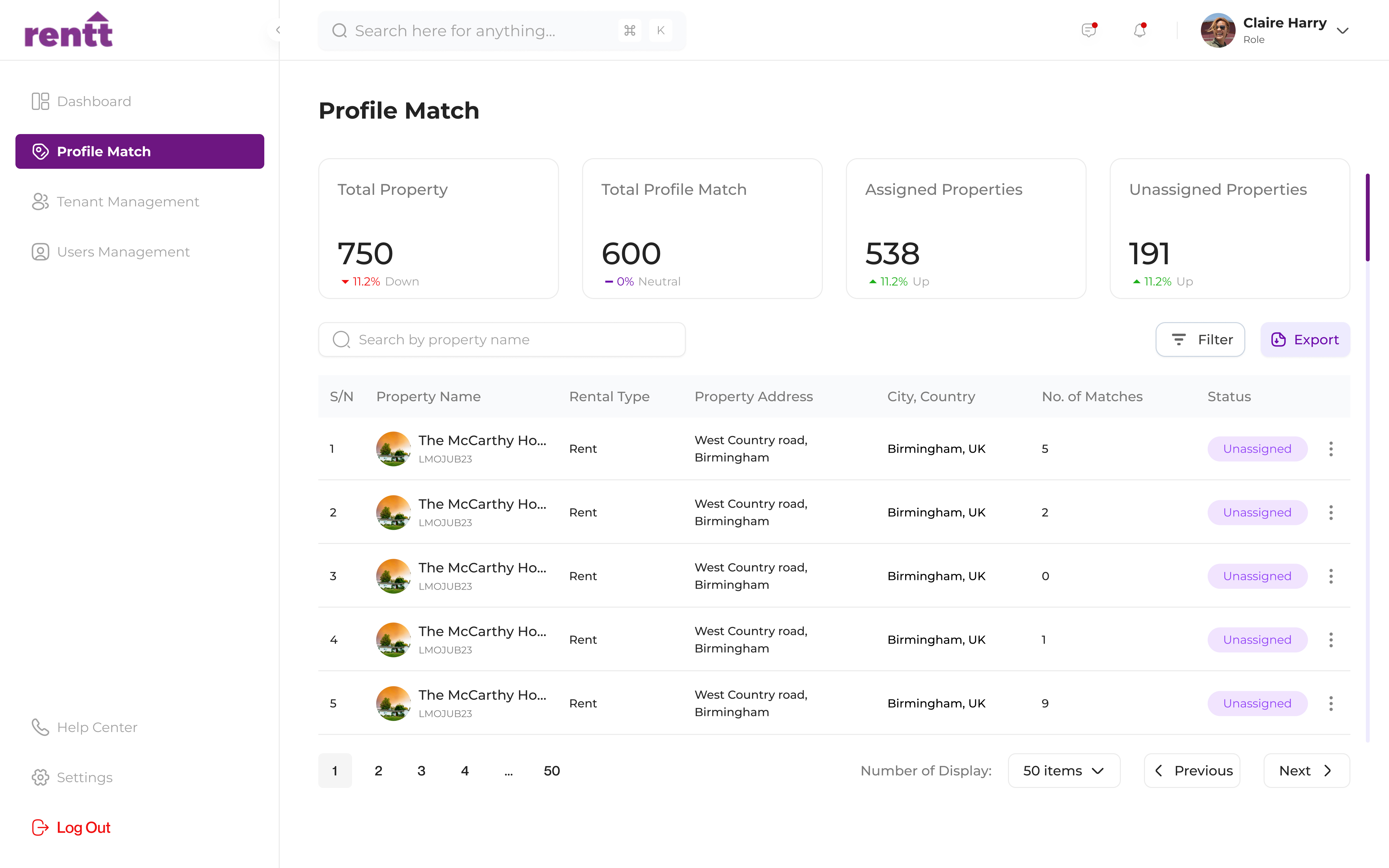
Operational Excellence Is Becoming the New Competitive Advantage
Today's landlords expect more than rent collection. They expect visibility. They want to know what maintenance work has been reported, when contractors have been instructed, whether inspections have taken place, and how their property is performing.
Providing that level of transparency requires more than hard work. It requires organised operations. When maintenance records are scattered, communication happens across several platforms and documentation is difficult to retrieve, even the most experienced property managers struggle to provide consistent service.
Operational excellence isn't about working harder. It's about reducing unnecessary friction. The less time your team spends searching for documents, chasing updates, or manually coordinating routine activities, the more time they can dedicate to delivering value to landlords and tenants.

Technology Should Strengthen Relationships, Not Replace Them
Some property professionals worry that adopting more technology will make their service feel less personal. In reality, the opposite is often true. Technology removes repetitive administrative work, allowing property managers to spend more time doing what clients actually value.
When routine processes become more organised, relationships naturally improve because people have more time to focus on them. The objective isn't to automate relationships. It's to automate the administration that gets in the way of those relationships.
Conclusion
Independent property managers have always possessed one significant advantage over larger agencies: the ability to build closer relationships with landlords and tenants.
The challenge is preserving that advantage as the business grows. That requires more than experience. It requires structure.
The firms that compete most successfully aren't necessarily those with the biggest portfolios or the largest teams. They're the ones that make property management feel effortless through organised operations, connected workflows and complete visibility.
At rentt, that's exactly what we do. rentt is built to help independent property managers bring maintenance coordination, communication, documentation, inventories, tenant management, financial tracking and operational workflows together into one connected system.
Because in today's market, competing is about becoming better organised. Try rentt at rentt.app